_edited_edited_.png)
Cultivating Future Leaders: 14 Students Begin 10-Day Agricultural Immersion at AGREA
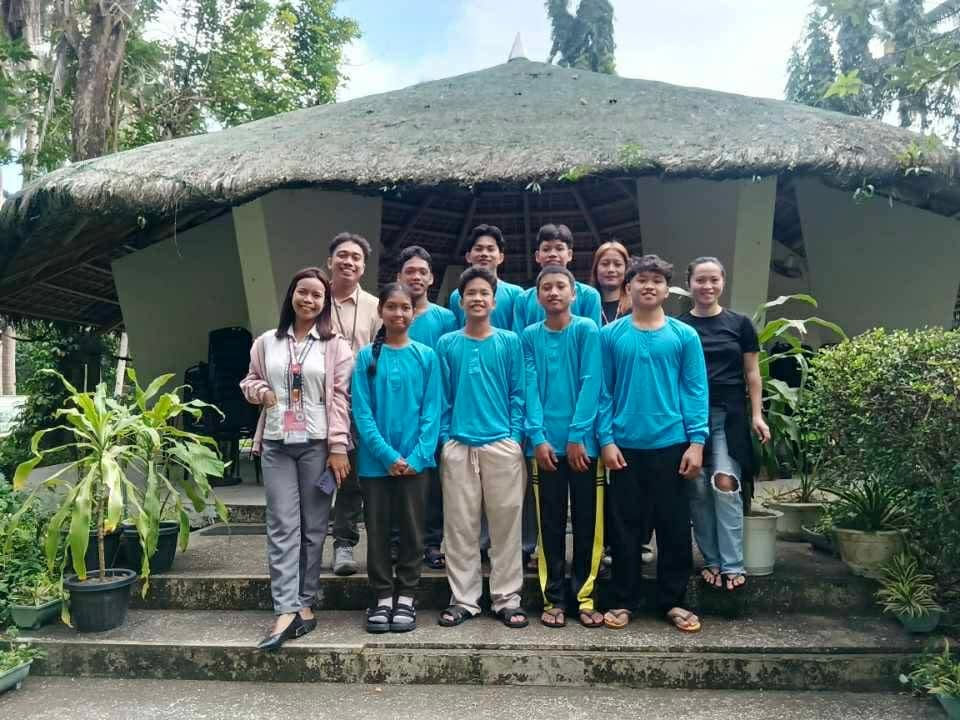
The future of farming is arriving at our doorstep, and it is filled with youthful energy, curiosity, and promise. We are thrilled to welcome 14 immersion students from Tapuyan National High School and Paciano H. Sena Memorial National High School, who are spending ten meaningful days with us at AGREA as part of their student immersion program. This experience represents more than a school requirement; it is an invitation for young learners to discover agriculture not as a distant concept in textbooks, but as a living, breathing practice that sustains communities and shapes the future of our nation.
Over the next ten days, these students will be immersed in the real work of farming, moving beyond theory to engage directly with the soil, the crops, and the sustainable practices that define regenerative agriculture. They will learn organic farming methods that protect the environment while producing nutritious food. They will plant seeds with their own hands, tend to growing crops, and witness the daily care and attention that farming demands. This hands-on approach is essential because agriculture cannot be fully understood through observation alone; it must be experienced, practiced, and felt. When students work the land themselves, they develop a deeper appreciation for the skill, patience, and dedication that farming requires.

This immersion program underscores a truth we hold deeply at AGREA: the youth play a vital and irreplaceable role in the future of agriculture. As the next generation of farmers, consumers, and community leaders, young people bring fresh perspectives, innovative thinking, and the energy needed to transform agricultural systems. By empowering them with practical skills, real-world experience, and genuine appreciation for farming, we are not simply teaching techniques; we are cultivating future agricultural leaders who will carry forward the values of sustainability, stewardship, and service. These students may arrive unsure of whether they want to pursue farming as a career, but they will leave with a profound understanding of agriculture's importance and their potential to contribute to it.
Our immersion curriculum is designed to be comprehensive and transformative. Students will explore the principles of organic farming, learning how to work with natural systems rather than against them. They will understand soil health, crop rotation, natural pest management, and the importance of biodiversity in creating resilient farms. They will participate in planting activities, learning proper spacing, depth, and timing for different crops. They will engage in crop care, discovering how to identify nutrient deficiencies, manage water efficiently, and protect plants from disease without harmful chemicals. Beyond the technical skills, they will also learn about the broader context of agriculture: food security, climate change, market systems, and the social responsibility that comes with feeding communities.

Perhaps most importantly, this immersion experience is designed to shift perceptions. Too often, young people view farming as difficult, unprofitable, or outdated. We aim to show them that modern agriculture is dynamic, innovative, and essential. Farming is not just about survival; it is about entrepreneurship, environmental stewardship, and community leadership. When students see agriculture through this lens, they begin to recognize it as a viable, meaningful, and even exciting career path. Whether or not they choose to become farmers themselves, they will carry forward a respect for those who do and an understanding of the critical role agriculture plays in national development.
As these 14 students from Tapuyan National High School and Paciano H. Sena Memorial National High School embark on this journey, we welcome them not as passive observers but as active participants in our agricultural community. We encourage them to ask questions, to make mistakes, to get their hands dirty, and to discover what truly excites them about farming. We challenge them to think critically about food systems, to imagine innovative solutions to agricultural challenges, and to see themselves as agents of change. The ten days ahead will be demanding, but they will also be rewarding. The lessons learned here will extend far beyond the farm, shaping how these young people think about work, responsibility, and their potential to contribute to society.

The future of farming does indeed start with today's youth. It starts with students who are willing to step out of the classroom and into the field. It starts with schools that recognize the value of experiential learning and partner with organizations like AGREA to make it possible. It starts with communities that invest in young people and believe in their capacity to lead. As we welcome these 14 immersion students, we are not just teaching them about agriculture; we are entrusting them with the future of food, the health of our planet, and the wellbeing of generations to come. We are honored to play a part in their journey, and we cannot wait to see the seeds of knowledge, passion, and purpose that will grow from these ten days together.
To our immersion students: welcome to AGREA. Welcome to the work that feeds nations. Welcome to the community that believes in your potential. The soil is ready. The tools are waiting. The future is yours to cultivate.

